The global movement toward Open Science has reshaped how research is created, shared, and evaluated. However, in many developing nations, the transition from concept to practice remains slow and uneven. While the ideals of accessibility, transparency, and inclusivity are widely endorsed, practical challenges, financial, technical, and cultural, continue to limit meaningful implementation.
The Promise of Open Science Open Science aims to democratize knowledge by removing paywalls and promoting inclusive access to research outputs. It strengthens reproducibility, enhances transparency, and fosters global collaboration, ensuring that scientific progress is not restricted by geography or economic capacity.
For developing nations, this model presents a significant opportunity to overcome barriers posed by expensive journal subscriptions and restricted databases. Global frameworks such as the UNESCO Recommendations on Open Science highlight the importance of equitable access and encourage countries to adopt inclusive research practices.
By embracing Open Science, researchers in low- and middle-income countries can actively participate in global scientific discourse and contribute knowledge on an equal footing.
Barriers to Implementation
Despite its transformative potential, Open Science faces considerable obstacles in developing contexts. Limited digital infrastructure, absence of national repositories, and low awareness of open-access policies remain critical concerns. Additionally, apprehensions regarding data misuse, plagiarism, and weak intellectual property protections discourage researchers from openly sharing their work.
The lack of structured repositories, similar to platforms indexed in the Directory of Open Access Repositories (OpenDOAR) limits the discoverability and accessibility of locally produced research.
Furthermore, the absence of supportive institutional policies and sustainable funding mechanisms complicates adoption. Without clear incentives and guidance, researchers often remain hesitant to transition from traditional publishing models.
Building a Supportive Framework
Effective implementation of Open Science in developing nations requires coordinated and strategic efforts. Key actions include:
Establishing national and institutional open-access repositories to ensure long-term accessibility of research outputs.
Providing financial support and incentives for publishing in open-access platforms.
Delivering training programs on ethical publishing, data sharing, and research integrity, supported by resources such as Research4Life
Strengthening collaboration with international organizations, such as ACSE, to enhance editorial standards and ethical oversight.
Countries like India and South Africa have demonstrated progress through national open-access policies and institutional repositories, highlighting the impact of structured implementation strategies.
Open Science is not merely a contemporary trend; it is a pathway toward equity, collaboration, and transparency in global knowledge systems. For developing nations, it represents both a challenge and a transformative opportunity. Strategic investment in infrastructure, policy development, and researcher education is essential to bridge existing gaps.
With sustained commitment, the vision of Open Science can transition from aspiration to reality, creating a more inclusive, transparent, and participatory global research ecosystem.
Keywords
Open Science
Developing Nations
Open Access
Research Equity
Scientific Collaboration
Knowledge Sharing
Research Policy
Global Science
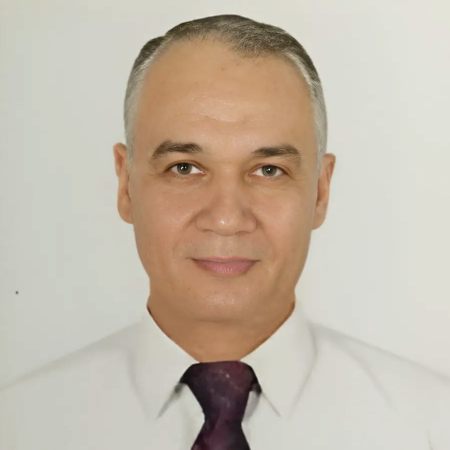
Sami Ali Metwally Mohamed
Prof. Dr. Sami Ali Metwally Mohamed is a Professor of Plant Physiology at the National Research Centre, Cairo, Egypt. His research focuses on ornamental plants, plant stress physiology, sustainable landscaping, and the role of plants in combating climate change and desertification.
The views and opinions expressed in this article are those of the author(s) and do not necessarily reflect the official policy or position of their affiliated institutions, the Asian Council of Science Editors (ACSE), or the Editor’s Café editorial team.
Comments
Sylvester Ogbodo
06 April, 2026
These comments and ideas are fantastic for Open Science in developing countries, but
1. In developing countries, the establishment of national and institutional open access repositories suffers from bureaucratic processes, causing long delays in a few cases and failures in most cases.
2. Lack of national and institutional support for researchers in developing countries is the cause of the dearth of research works. Most researchers sponsor their work by themselves.
3. Strengthening collaboration with international organizations will be easier with research groups, but many researchers in developing countries have not come to terms with the idea. Doing it alone has not helped matters, yet coming together and pooling ideas and resources has not received wide acceptance within the research communities in developing countries.
Mentors of young researchers should delve into building good relationships among the young researchers to develop generational research groups.
Hin Lyhour
06 April, 2026
Thanks, Dr. Sami, for raising this important topic for discussion. I agree with you on promoting open science, making sure we can benefit the scientific community, especially in developing nations where accessibility is often limited. I will spread this insightful information to scholars and researchers in my country—Cambodia.
Leave a Comment
Your email address will not be published. Required fields are marked *





Sylvester Ogbodo
06 April, 2026These comments and ideas are fantastic for Open Science in developing countries, but
1. In developing countries, the establishment of national and institutional open access repositories suffers from bureaucratic processes, causing long delays in a few cases and failures in most cases.
2. Lack of national and institutional support for researchers in developing countries is the cause of the dearth of research works. Most researchers sponsor their work by themselves.
3. Strengthening collaboration with international organizations will be easier with research groups, but many researchers in developing countries have not come to terms with the idea. Doing it alone has not helped matters, yet coming together and pooling ideas and resources has not received wide acceptance within the research communities in developing countries.
Mentors of young researchers should delve into building good relationships among the young researchers to develop generational research groups.